

If you feel like the woman who holds everything together while quietly falling apart…
Psychologist-led online courses and tools for women managing stress, burnout and overwhelm
You have been here before. It starts at 8am, your jaw already tight, and by midnight you are lying awake trying to work out why. The more you chase the why, the less anything changes. All that analysis may have been pulling you away from what works. These courses are where you stop chasing the why and start learning to catch the stress in your body earlier, so that when your jaw is tight at 8am, you may have something to reach for instead of carrying it to midnight.
The Regulation Profile Quiz
Understand How Your Nervous System Naturally Tries to Support You Under Stress, and What May Actually Help
The Regulation Profile Quiz is a free 5‑minute psychoeducational questionnaire designed to help you understand how your body naturally tries to support you when you feel overwhelmed, not to diagnose, but to illuminate and offer ideas you can start experimenting with today.

When you complete it, you will receive:
- A personalised sensory profile showing which senses your body may already be reaching for under stress, across movement, sound, touch, scent, and sight
- A snapshot of how you’ve been coping recently (more wound‑up, more shut‑down, or more balanced)
- A brief summary of your profile, a few ideas you can start experimenting with today, and a follow‑up email with more detail so you can start using tools that fit, instead of guessing
It’s free to complete, and you’ll receive your full results by email. If you would like to read more about how the quiz works before you take it, you can visit the Regulation Quiz information page.
Are You Performing Like a Professional Athlete Without the Professional Recovery Plan?
Why am I still so exhausted even when I take breaks?
Here's the thing: what many women complete in a day, to the standard they do, should be a professional sport.
You are responsible for work, family, home, health, and the entire invisible mental load underneath all of it. You hold a high standard for everyone else, and you get through the day by not stopping. Then the second you do stop, your mind starts up: rerunning the day, pulling you back to the list, the thing you forgot to do.
Most of the time, you're relying on passive recovery: scrolling, numbing out with TV, ticking off small tasks, doing your skin care, then collapsing into bed and hoping tomorrow feels different. There is no recovery plan. Just coping.
In my work with women, I often see this pattern: you're performing like a professional athlete, but you're not engaging in active recovery. There is no coach mapping out how you restore yourself after what the day demands. You have a recovery problem. You are being asked to carry a load that your current recovery system was never designed for. The solution doesn’t need to be the latest trend, it needs to be evidence-based, practical and something you can actually do.
When your body spends long stretches in stress mode (always "on", wired, or flat and checked-out), it uses up capacity before your mind can catch up. You can't think your way out of burnout if your body still feels like it has to push, defend, or disappear.
Research on psychological skills and psychoeducation suggests that small, consistent strategies may support some people to notice stress earlier, respond more intentionally, and feel more engaged in daily life over time. That's the kind of work these courses are designed to support.

The Integration System: Working with Your Whole System
Why treating one symptom won't necessarily help stress, anxiety and burnout. Here is what can.
One pillar won't hold. All four working together may.
Most self-care advice tells you to calm down, think differently, or fix your routines, all at once, with no clear starting point. The Integration System takes a different approach: body first, then mind, within the context of your environment and relationships. It starts where your mind and body actually are, not someone else's. It is a system designed to work with your whole self, not a collection of random tips.
Your emotions, nervous system, thoughts, daily life, and how you relate to yourself do not work in isolation.
When your body is stuck in survival mode, your capacity to think clearly is genuinely reduced. When your thoughts keep you wired, your body cannot settle. And when both are dysregulated, committing to yourself and creating change feels impossible.
If single-pillar advice was going to fix your exhaustion, it would have by now. That is why this work is built on four interconnected pillars, designed to work with your whole system in a sustainable way.
The 4 Pillars:

Body Safety
Body Safety is the work of coming down when you are wired and tense, or back up when you are flat and shut down. It is about a nervous system that is flexible and resourced rather than only calm, and learning to notice when your body's protective systems are activated so you can respond with what it actually needs.

Mind Stories
Mind Stories are the thoughts that keep running, the planning, the scanning, the voice that says you should be coping better, and the beliefs about yourself sitting underneath them. This pillar is about noticing those patterns, understanding where they came from, and learning to think about yourself in ways that support your growth.

Environment & Context
Environment and Context is the real shape of your days, and whether they leave you any room to recover. How you spend your time, your routines, the people around you, and the spaces you live and work in all shape your nervous system, and small shifts here may create meaningful changes.

Relationship to Self
Relationship to Self is how you speak to yourself when you are already at capacity, whether you are the last person on your own list, and whether you follow through on what you promise yourself. It is where you build the steadiness to notice patterns that keep you stuck and keep showing up for yourself, even when change feels difficult.
The Lesson:
Your nervous system learned these patterns to protect you. The problem is it is still running them now, when the threat has passed. To create meaningful change, you need to work with your whole system, body, mind, environment, and self together.
The most effective tools are not the most complex, they are the ones designed to work with how your body and mind actually operate.
Designed by a Registered Psychologist. Informed by Evidence.
I’m Natasha Kiemel‑Incorvaia, a registered psychologist (AHPRA Registration PSY0001977411). I have over 15 years of training in psychology and over 10 years of experience working with women who are outwardly capable and inwardly exhausted by the mental load of work, home and relationships.
My work focuses on helping them understand how their patterns show up under stress and practise small, realistic skills that fit into daily life. My training includes CBT, ACT, DBT, somatic approaches and EMDR, and these courses bring together psychoeducation and tools you can build into your days at your own pace.
LEARN MORE ABOUT NATASHA


Registered with Psychology Board AHPRA
PSY0001977411

Registered Member of
EMDRAA

Registered member of
AAPI
Psychologist-Designed Online Courses for Women Managing Stress, Anxiety, Burnout and Nervous System Dysregulation
Three ways to Begin (That Fit Together)
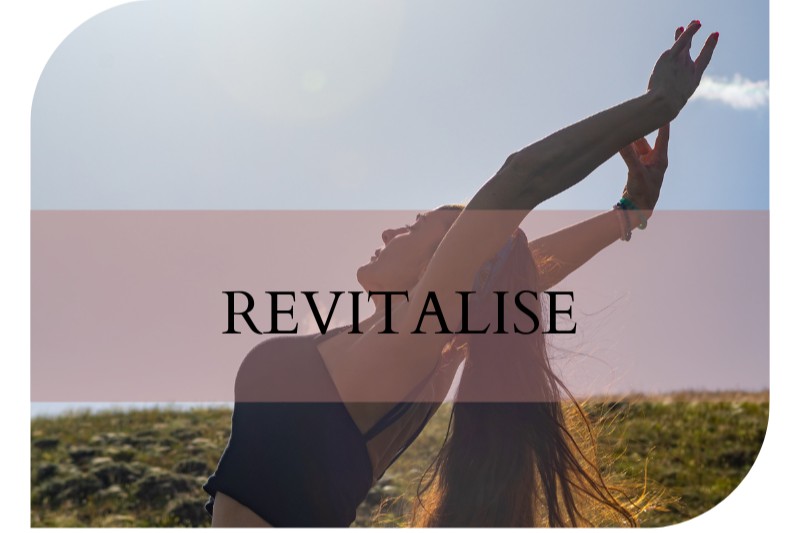
For the week you hit 2pm wired, reach for something, anything, and nothing takes the edge off
Revitalise - Build Short, Nervous System‑Friendly Rituals You Can Actually Keep
A psychologist‑led, self‑paced course teaching evidence‑based practices for nervous system support and emotional regulation, designed for time‑poor women feeling stressed, overwhelmed, or close to burnout.
✔ Learn to notice when your body is in stress mode and respond differently in real time.
✔ Experiment with a curated menu of 55 grounding, soothing, regulating and energising practices to build short, realistic routines.
✔ Use videos, audios and worksheets as a reusable system you can return to at your own pace over 12 months.
Investment: $247 one‑time or $149/month × 2 = $298.

For the night your body finally stops and your mind will not
Soften & Surrender into Slow – Support Your Mind
A mini‑course for women whose minds resist rest, keeping them in busyness and making it harder to access genuinely restorative down‑time.
✔ Understand why slowing down feels difficult and how constant mental busyness affects your body and mind.
✔ Explore the beliefs and thought patterns that keep you in “go” mode, even when you have time to rest.
✔ Practise cognitive and body‑based strategies to unhook from thought loops so your existing rest practices have more room to work.
Investment: $97 standalone.

For when you’ve worked on your body, or your thoughts, or your routines, one at a time, and it never quite holds.
Invitation to Align & Elevate: Integrate It All
An 10 week psychologist‑led educational program for women ready to intentionally participate in their own recovery and work more actively with their body, thoughts, emotions and sense of self.
- Follow an 8‑module pathway using the Align (Module 1–4) then Elevate (Module 5–8) framework across body, beliefs, environment, and relationships.
- Build nervous system capacity first, then work with thought patterns, beliefs, and self‑leadership so you can create your own plan for what to do when you feel stuck.
- Get a structured system of modules plus weekly content Q&A to help you apply the material in daily life.
Where It Might Make Sense to Start
- Start with Revitalise if your body feels constantly “on” or flat and you want concrete practices.
- Choose Soften & Surrender into Slow if you understand some of your patterns but your mind is the main barrier to rest.
- Go to Invitation to Align & Elevate if you want the full 8‑module system and live support.
You can move between them over time or do all three for a more complete toolkit.
Are Online Psychology Courses Right For you?
These courses are:
- Psychoeducational and skills‑based, designed by a registered psychologist
- Informed by recognised psychological approaches and current research
- Self‑paced, with resources you can revisit over time
They are not:
- Therapy or psychological treatment
- Diagnosis or assessment
- A substitute for individual clinical care
- A replacement for urgent mental health support
Looking for One-on-One Support?
If now is not the right time for a self-paced course, or you would like individual psychological support alongside it, personalised appointments are available through Graciously You Psychological Services.
Natasha offers telehealth psychology appointments for adults across Australia via secure video, with no need to travel. Sessions are available for women navigating stress, burnout, anxiety, overwhelm, and the mental load of daily life.
Online psychology appointments may be eligible for a Medicare rebate with a GP referral and Mental Health Treatment Plan.
Visit Graciously You to Learn MoreNeed Immediate Support?
If you're experiencing significant distress, thoughts of self‑harm, or a mental health crisis, please contact:
- Lifeline: 13 11 14 (24/7, free)
- Beyond Blue: 1300 22 4636
- Emergency Services: 000
If you are outside Australia, you may be able to find a crisis support line for your country at findahelpline.com, or contact your local emergency services.
What Some Women Notice Over Time
Some women notice shifts gradually over weeks. Others find one or two practices that work straight away. There is no fixed timeline.
What women may describe:
✔ Picking up on strain earlier, instead of realising only after they have crashed
✔ Feeling a little more able to pause and respond intentionally, rather than reacting on autopilot
✔ Catching yourself actually present in a conversation, instead of mentally running tomorrow's list
✔ Finding it easier to access rest or small pockets of steadiness, rather than only collapsing when completely exhausted
Outcomes vary for each person. These courses offer tools and frameworks you can experiment with; what you experience will depend on your situation, history, and how you use the material.
Start Where You Are
The free Regulation Profile Quiz takes 5 minutes and gives you a personalised profile, a snapshot of how your nervous system has been responding to stress, and specific practices you can start experimenting with straight away.
Or go straight to:
Frequently Asked Questions about Online Psychology Courses for Women
Who are these courses designed for?
What is nervous system regulation?
What is emotional regulation?
What is the difference between a psychoeducation course and therapy?
I cannot access therapy right now. Can an online psychology course help with stress and anxiety?
What online courses are available for women with stress, anxiety and burnout in Australia?
Are these courses available online worldwide?
@graciously.you.psych
Keep up with me on Instagram
