
Am I Burnt Out or Just Tired? How to Tell the Difference
Mar 26, 2026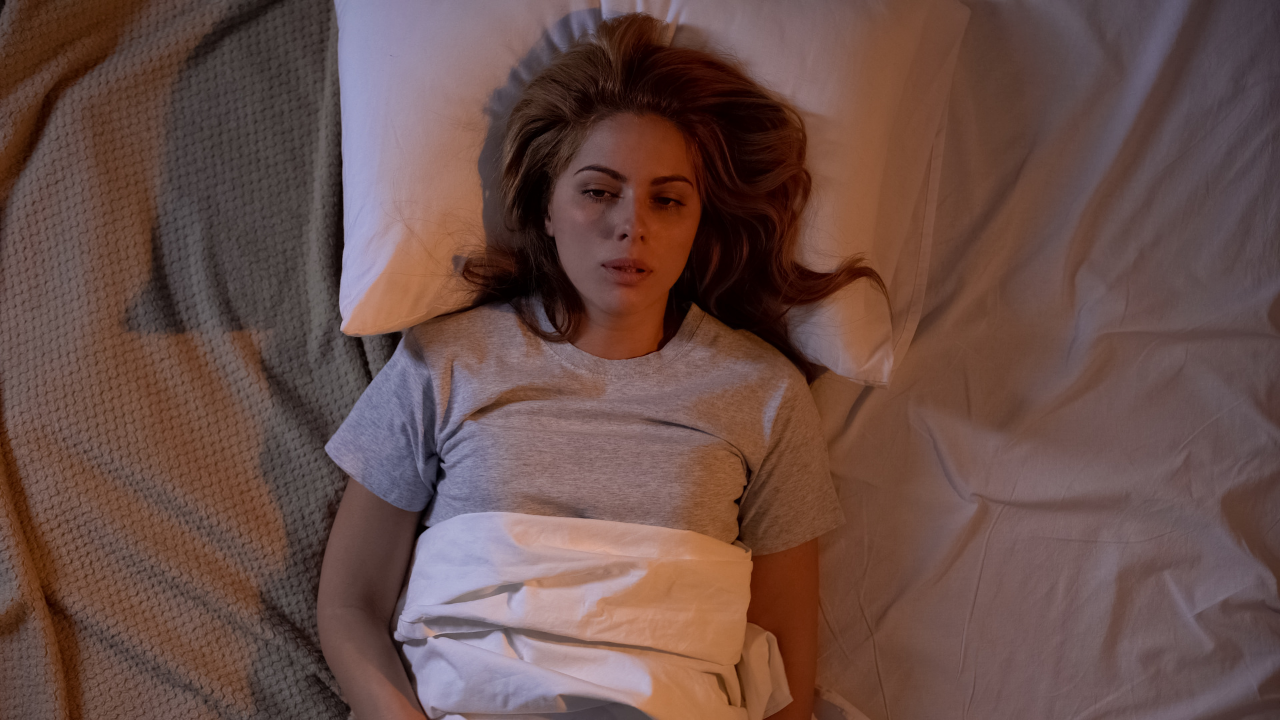
Written by Natasha Kiemel-Incorvaia, Registered Psychologist (PSY0001977411)
You are lying in bed at 10pm thinking "I just need a few decent nights of sleep and I will be fine." A month passes. You have had the early nights. You cancelled a few things. You are doing what you are supposed to do. And yet the heavy, worn-down feeling has not shifted.
If that sounds familiar, you are not imagining it. Large Australian surveys show that nearly half of workers report feeling mentally or physically exhausted, and many women describe this going on for months before they even think to name it, let alone reach out [1,2].
And that is just paid work. The same pattern shows up for women who are primarily caregivers: running a household, raising children, holding a family together, where the demands are just as relentless and the recovery time is often even harder to find.
Exhaustion that does not improve with rest is clinically different from ordinary tiredness, and understanding that difference is the first step to knowing what might actually help.
This article offers general information and education only. It is not a substitute for personalised psychological or medical care. If you are experiencing significant distress, please speak with your GP or a registered psychologist.
What Does Ordinary Tiredness Feel Like, and When Does It Start to Feel Like Something More?
Ordinary tiredness usually follows a clear, short-term cause: a few late nights with a sick child, a big deadline at work, school holidays, a particularly full social week. Once the pressure eases and you have a run of reasonable sleep, your energy comes back[5,6,7]. You may still be yawning more than usual, but there is some lightness underneath. The week feels manageable again.
When tiredness is part of something deeper, women often describe it differently:
- Feeling drained most days for weeks or months, not just after one particularly hard period.
- Waking up unrefreshed even when sleep has technically improved.
- Heavy limbs, brain fog, irritability, or a kind of flatness that goes beyond feeling sleepy.
- Needing noticeably more effort to get through tasks that used to feel manageable[4,5,8].
Health and sleep research is consistent on this point: exhaustion that does not improve with rest can signal medical conditions, sleep disorders, or mental health concerns, and it is worth taking seriously rather than dismissing as "just tired" [5,6,7,8] . You do not need to wait until things are extreme before your experience counts.
Why Is 'Burnout' So Hard to Define, and What Does That Mean for You?
The word "burnout" is everywhere right now, which can make it more confusing rather than less. You will see it used for everything from a hard week at work to a full mental health crisis, and online quizzes that claim to diagnose it in 60 seconds. Here is what the clinical picture actually looks like.
In the International Classification of Diseases (ICD-11), burnout is described specifically as a workplace phenomenon linked to chronic, unmanaged work stress. It is not a medical condition or a mental disorder[3,9]. It is defined around three features:
- Feelings of energy depletion or exhaustion.
- Increased mental distance from work, or feelings of negativism or cynicism about your job.
- Reduced professional effectiveness[3,9].
At the same time, newer research questions whether burnout is a distinct syndrome at all, noting that exhaustion, cynicism and inefficacy do not always appear together, and frequently overlap with depression, anxiety and other conditions[11,12]. Australian clinical authors have pointed out that "burnout" has become a broad umbrella for many kinds of late-stage stress reactions, which adds to the confusion rather than reducing it[4].
It is also worth naming something the ICD-11 definition leaves out entirely: parenting and caregiving. The workplace framing means that a woman who has spent years raising children, managing a household, and absorbing the emotional labour of a family, often with no formal recovery time and without anyone calling it a job, does not technically meet a definition written around professional roles. But the research on parental burnout tells a different story. Studies describe the same three core features: exhaustion related to the parenting role, emotional distancing from children, and a reduced sense of effectiveness as a parent, driven by the same mechanism of chronic demands outpacing available recovery[10]. If your exhaustion comes primarily from home rather than from paid work, this post is as much for you as anyone else.
What this means practically: two women can both say "I'm burnt out" and be describing quite different combinations of stress, depression, anxiety, medical issues, or life overload. It is more useful to think of burnout-like experiences as a cluster of stress-related difficulties, which may or may not include other conditions, rather than as a neat, separate category[3,11].
This article does not diagnose burnout. It offers general information to help you reflect on your experience and consider whether further assessment or support might be useful.
What Does Your Nervous System Have to Do With This?
One thing I come back to again and again in my clinical work is this: you cannot think your way to regulation. When your body has been running in sustained stress mode for weeks or months, it is doing exactly what it was designed to do. The problem is that it was designed for short-term threats, not the relentless pressure of modern life with no clear off-switch. This is also one of the reasons rest often does not help burnout-like exhaustion the way you might expect. When the system stays activated even while you are resting, the recovery you need is not actually happening. If this pattern sounds familiar, this post on why your body feels tired but wired even when you are exhausted goes deeper into what is actually happening.
Research on stress and allostatic load describes how the body accumulates wear and tear when stress responses are triggered repeatedly without enough recovery[13,14]. Over time, this can show up as:
- Feeling on edge or "tired but wired", exhausted but completely unable to switch off.
- Difficulty relaxing even when you genuinely want to and have the time.
- Trouble concentrating, making decisions, or remembering basic things.
- Physical symptoms: headaches, muscle tension, gut changes, or catching every illness going around, alongside the tiredness[13,14].
This is not about coping poorly or being weak. It is a physiological process, and it can happen to anyone under sustained load. For some women, learning to notice earlier signs that the system is shifting towards high strain or shutdown, and building small, realistic practices to support the body back towards steadier states, may help reduce how long those extremes last[13,14]. These are educational skills, not treatments, and they are not a substitute for individual psychological care where that is needed. They work alongside appropriate medical and psychological support, not instead of it.
For a fuller picture of what nervous system regulation means and how to think about building capacity over time, this post on nervous system regulation for women covers the framework in more depth.
If you are recognising your own pattern in this, whether that is the wired, can't-switch-off end or the flat, checked-out end, the free Regulation Profile Quiz can help you understand how your system is responding and where to start. It takes five minutes. Take the quiz here.
Questions to Help You Reflect on Your Own Experience
These are gentle prompts, not a checklist or diagnostic tool. Your answers are information about your situation, not a verdict.
Does rest actually help?
When you have had several nights of reasonable sleep and a slightly lighter week, do you notice even a small shift in energy or mood, or does the heavy, worn-down feeling stay almost exactly the same? [5,6,7]
How long has this been going on?
Are you thinking about a few weeks of tiredness after a specific busy season, or many months of feeling drained most days, regardless of what the week has looked like? [4,8]
How do you feel about your work and roles?
Do you notice growing cynicism, dread, or emotional numbness towards your job, parenting, study, or caring roles that you used to care about, or do you still feel connected to them, just very stretched? [3,4]
What is happening to your focus?
Is it the odd foggy afternoon, or are concentration, memory, and decision-making regularly harder than they used to be, in a way other people have started to notice too? [4]
How are your emotions showing up?
Are you quicker to tears, snappier, or more shut down than usual, and does this feel genuinely out of character over a sustained period, not just a hard week?[4]
How is your body?
More frequent headaches, muscle tension, gut changes, or catching every bug going around, alongside the tiredness, rather than as a one-off?[13,15,16]
What are the people close to you noticing?
Have trusted friends, family, or colleagues mentioned that you seem unlike yourself, worn out, less engaged, or more withdrawn, over months rather than days?[4]
Your responses can help you build a clearer picture of what is happening. They cannot tell you whether you "have burnout", but they can tell you whether it might be time to speak with a health professional.
What Can Help and What Usually Doesn't
In my work with women, I see the same pattern repeatedly. Someone is exhausted, knows something needs to change, and reaches for the strategies they have been told will help: more sleep, better nutrition, a meditation app. Some of these things are genuinely useful. But when the underlying pattern is a nervous system running on sustained stress without enough recovery, adding more strategies on top can feel like bailing out a leaking boat without finding the hole.
These are experiments, not prescriptions. What works for one person may not work for another.
What tends to help over time:
- Looking at the load, not just the mindset. Workload, caregiving, household labour, and the amount of available recovery time between intense days all contribute to how much demand is on your system. Even small, realistic adjustments can shift the balance[1,2,12,17,18].
- Addressing the basics where possible. Sleep routines, nutrition, movement, and medical check-ups do not fix everything, but they create a more solid foundation for coping and decision-making[5,6,7,15,16].
- Gentle, body-based practices introduced slowly. When the system stays activated even during rest, passive recovery often is not enough. Short practices that give the body a deliberate signal to shift state, paced breathing, movement breaks, structured wind-down routines, work with this rather than around it[13,14].
- Paying attention to how you already recover. Research on sensory emotion regulation suggests that people naturally reach for different senses to support themselves under stress, some through movement, some through sound, some through touch, scent, or sight. Most women are already doing something. The question is whether what they are reaching for is actually moving their system, or just pausing it. Noticing the difference is more useful than adding a new routine on top[19].
- Supportive relationships. Talking with someone who can hold the bigger picture with you, validate that what you are carrying is genuinely a lot, and support practical changes where possible. There is also something more basic happening here. Nervous system states are contagious in both directions. Spending time with someone who is calm and present can genuinely support your own system to come down a little[15,16].
What tends to be less helpful on its own:
- Relying only on mindset shifts while workload and circumstances stay the same.
- Pushing through with more caffeine, longer hours, or productivity strategies that further reduce recovery time.
- Self-blame. The belief that you are simply not coping well enough adds distress without changing the conditions that are driving the exhaustion[13,17].
Structured educational programs like Revitalise offer one way to experiment with nervous-system practices and small changes at your own pace, without adding another overwhelming to-do list. They do not replace medical or psychological care, and outcomes differ for each woman.
When Is It Time to Speak With a Professional?
Understanding what is going on is one thing. Knowing when it needs a different kind of support is another. Please reach out to your GP or a registered psychologist if:
- Your tiredness or exhaustion has lasted several weeks or months and is not improving, or is getting worse[15,16].
- Your ability to work, parent, study, drive, or manage daily tasks is significantly affected.
- You notice marked changes in sleep, appetite, weight, or physical symptoms such as chest pain, breathlessness, or persistent pain[15,16].
- You are experiencing persistent low mood, loss of interest in things you usually enjoy, or worry that feels hard to control most days[15,16].
- If you have thoughts of not wanting to be here or of harming yourself, please seek urgent support. Emergency services: 000 | Lifeline: 13 11 14 | Beyond Blue: 1300 22 4636.
A GP can rule out medical causes: thyroid issues, anaemia, sleep disorders and other conditions often underneath this kind of exhaustion[15,16,7]. A psychologist can work with you to understand patterns in depth, explore what is maintaining them in your specific context, and build individualised strategies. Online courses like mine are designed for psychoeducation and skills practice; they can sit alongside, but do not replace, personalised psychological care where that is needed.
Your Next Step
If you are sitting with some of those reflection questions and not sure where to start, the free Regulation Profile Quiz is designed exactly for this moment.
Take the free Regulation Profile Quiz
It is a short, free five-minute psychoeducational quiz designed to help you understand how your body may already be trying to support itself under stress, including which senses you naturally regulate through and whether you have been sitting closer to wound up or shut down over the past two weeks. Most women find there is something they are already doing that is closer to genuine recovery than they realised. The quiz helps you see it more clearly.
It is for reflection and self-understanding only. It does not provide a diagnosis and does not replace individual psychological assessment or treatment.
Start the Quiz - It's Free
If you would like to read more about how the Regulation Profile Quiz works before taking it, you can find the full overview here.
If you would like to go deeper, here is how each of my courses connects to what this post covers:
- Revitalise - if the "tired but wired" pattern is the most familiar thing here, this is a natural starting point. It focuses on body-based nervous-system practices and building short, realistic routines.
- Soften and Surrender into Slow - if your body wants to rest but your mind will not cooperate, this mini-course works specifically with the thought patterns that keep the nervous system stuck in busyness.
- Invitation to Align and Elevate - if you want to work with all four pillars across body, mind, environment and relationship to self in a structured, guided program. Currently available on waitlist.
All three courses are psychoeducation and skills-based programs. They are not therapy and are not a substitute for individualised psychological assessment or treatment. They are designed for women who want evidence-informed tools to support their wellbeing in daily life. If you are currently receiving clinical support, these courses can sit alongside that. Outcomes vary for each person. Available worldwide, including Australia, the UK, Ireland, New Zealand, Singapore, Hong Kong, Dubai and Switzerland, excluding the United States and Canada.
Whether you use the word "tired", "stressed", or "burnt out": what matters is that your experience is taken seriously, and that you feel supported to find the combination of rest, change, and help that actually fits your life right now.
If you'd like to understand the framework behind this post, covering how body, mind, environment and relationship to self interact. this post on the Integration System explains how the four pillars work and where to start.
If you need urgent support
If you are in crisis, feeling unsafe, or worried about harming yourself, please contact:
In Australia: Emergency services: 000 | Lifeline: 13 11 14 | Beyond Blue: 1300 22 4636 | 1800RESPECT: 1800 737 732
If you are outside Australia, please contact your local emergency services or a crisis line in your country.

Written by Natasha Kiemel-Incorvaia, Registered Psychologist (AHPRA: PSY0001977411). Natasha is the founder of Gracefully Redefine You (natashacourses.com) and Graciously You Psychological Services. She works with women navigating stress, anxiety, burnout and nervous system dysregulation through self-paced psychoeducation courses and individual telehealth appointments.
References
[1] Telus Health. Forty-seven per cent of workers in Australia feel mentally or physically exhausted at work. Mental Health Index Australia – April 2024.
[2] Corporate Calm. Australian Workplace Stress Statistics: 2026 Update.
[3] World Health Organization. Burn-out an "occupational phenomenon": International Classification of Diseases (ICD-11) Q&A. Geneva: WHO; 2019.
[4] Royal Australian College of General Practitioners. Defining burnout: What is this syndrome and what sets it apart? Australian Journal of General Practice.
[5] Comprehensive Sleep Medicine Associates. Fatigue vs. Sleepiness: Why You're Still Tired After a Full Night's Sleep; 2025.
[6] UAB Medicine. Sleepy vs. tired: Knowing the difference matters; 2026.
[7] Sleep Foundation. Does Daytime Tiredness Mean You Need More Sleep?; 2018.
[8] Comprehensive Sleep Medicine Associates. Is it fatigue or a sleep disorder? How to tell the difference; 2025.
[9] World Health Organization. Burn-out an "occupational phenomenon": International Classification of Diseases (ICD-11) News Release; 2019.
[10] Mikolajczak M, Gross JJ, Roskam I. Parental burnout: What is it, and why does it matter? Clinical Psychological Science. 2019;7(6):1319–1329.
[11] Bianchi R, Verkuilen J, Schonfeld IS, et al. Examining the evidence base for burnout. Current Opinion in Psychiatry. 2023.
[12] Bianchi R, Schonfeld IS. Burnout: a case for its formal inclusion in classification systems. BJPsych Advances. 2022.
[13] Ghasemi F, Beversdorf DQ, Herman KC. Stress and stress responses: A narrative literature review. Australasian Psychiatry. 2024.
[14] Policy implications of the 2020–22 Australian study of mental health and wellbeing. Australian & New Zealand Journal of Psychiatry. 2024.
[15] Australian Bureau of Statistics. National Study of Mental Health and Wellbeing, 2020–2022. Canberra: ABS; 2024.
[16] Life in Mind. National Study of Mental Health and Wellbeing: summary of key findings; 2023.
[17] RACGP / AJGP. Burnout and wellbeing in the Australian general practice: risk factors and correlates.
[18] RACGP. Workplace stress presentations on the rise: poll; 2026.
[19] Dore, B. P., Boccagno, C., Burr, D., Hubbard, A., Long, K., Chen, O., Gruber, J., & Ochsner, K. N. (2023). Sensory emotion regulation: The role of sensation in emotional processing and regulation. Trends in Cognitive Sciences, 27(2), 110-123. https://doi.org/10.1016/j.tics.2022.12.004
